A Simple Back-to-School Reset: A Guide for the Whole Family
This post may contain affiliate links. See my Affiliate Disclosure for more details.
Back-to-school season always seems to arrive faster than expected. One minute, you’re enjoying slower summer mornings, and the next, you’re shopping for supplies, packing lunches, and trying to get everyone out the door on time.
With Hollis starting kindergarten this year, I wanted to make the transition as smooth as possible without taking away from those last carefree days of summer. I quickly realized that preparing for school is about more than buying a backpack and checking off a supply list. It’s also about easing back into routines, planning for busy mornings, and creating a rhythm that makes the school week feel a little less… chaotic.
Whether your child is starting school for the first time or heading into a new grade, here are a few practical ways to help your family have a simple back-to-school reset for the year ahead.
↓ jump to back-to-school supply list
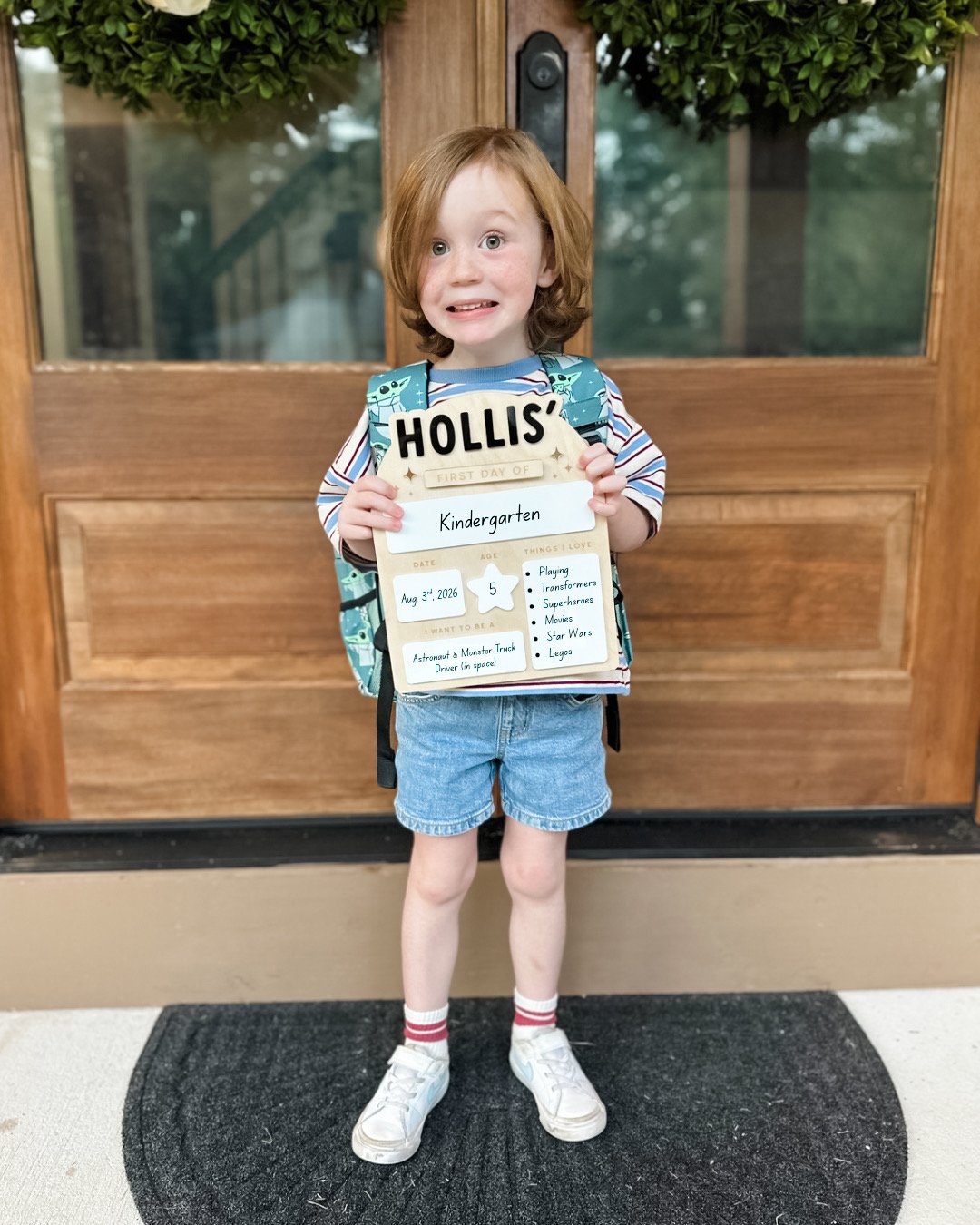
Hollis’ first-day-of-school sign is from Inkwell & Indigo on Etsy. The listing may appear unavailable during the off-season, but you can find it in her shop closer to back-to-school!
Start Easing Back Into Your School Routine
About a week before school started, we began slowly returning to our school-year schedule. Two full weeks may have been even better, but I wanted Hollis to enjoy summer for as long as possible. The goal wasn’t to follow a strict schedule—it was simply to make the first week feel like less of an adjustment.
These are the things we focused on:
- Moving bedtime and wake-up time earlier
- Returning to regular breakfast, lunch, snack, and dinner times
- Eating around the same times he would during the school day
- Practicing our school-morning routine
- Taking a break from weekday screen-time
Our mornings were simple—wake up, get dressed, brush teeth, go potty, and make the bed. Side note: we’re teaching Hollis to make his bed first thing in the morning because it’s an easy way to build responsibility for his own space and helps productivity, but it certainly doesn’t need to look perfect.
Once he was ready for the day, he could play quietly or listen to a story on his Toniebox or Yoto Player while we made breakfast. Keeping the mornings calm helped us practice the routine without making the end of summer feel overly structured.
And you don’t need to recreate an entire school day before summer ends. Just a few small shifts in sleeping, eating, and morning routines can make the transition much easier for everyone.
Create a Simple Morning and Evening Rhythm
One of the easiest ways to make school mornings run more smoothly is to do as much as possible the night before. We also want Hollis to understand what goes into preparing for school, so he helps with the routine instead of everything being done for him.
Here’s what we do each evening:
- Lay out his clothes for the next day
- Check his folder and pack his backpack
- Pack his lunch together (he has to help, no exceptions)
- Put his shoes, backpack, and other school items in their designated place
- Bath or shower either before or after dinner
Laying out clothes has been especially helpful because Hollis can wake up and get dressed on his own. In the morning, we only need to fill his water bottle, add any last-minute snack items, and make sure everything is ready to go.
For younger children, a visual checklist can also make the routine easier to follow. We keep ours on the refrigerator so Hollis can see what he needs to do without us having to repeat every step.
The goal is not for him to manage everything independently just yet. It’s to teach him that a smoother morning begins with preparing ahead, and that getting ready for school is something we do together (for now at least).
Plan Breakfasts, Lunches, and After-School Snacks
Having a few reliable meals and snacks on rotation saves us from deciding what to make every day and means we’re packing food we know Hollis will actually eat.
For breakfast, we usually include a protein + fruit + dairy + carbohydrate. This might look like eggs, strawberries, yogurt, and half of a small bagel or just a piece of toast. We don’t send him to school with cereal, a pastry, or toast because we want him to have a filling breakfast that will give him steady energy throughout the morning so he can focus and learn.
We also rotate four or five familiar lunch combinations. Here’s one variation:
- A sandwich
- Watermelon and carrots (always fruit and veggie)
- Pretzels or a homemade protein ball
- A small treat, such as mini allergy-friendly cookies or a couple of pieces of dark chocolate
Since children often have limited time to eat lunch, we save most new foods for home and pack options we already know he enjoys.
And honestly, prepping a few staples once or twice a week also makes a big difference. We may make protein balls or granola bars, wash and cut fruit, or prepare homemade bread and bagels ahead of time. It doesn’t need to be a full afternoon of meal prep though. Even preparing two or three frequently used foods can make the week run more smoothly.
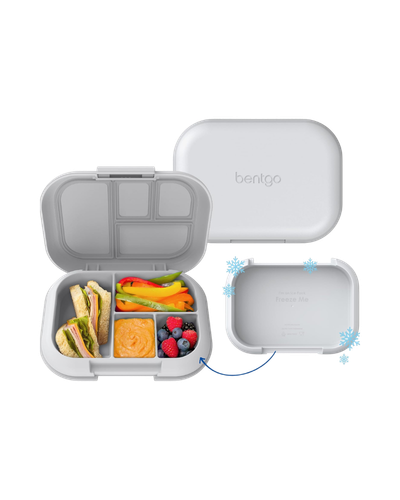
bentgo
Bento Box
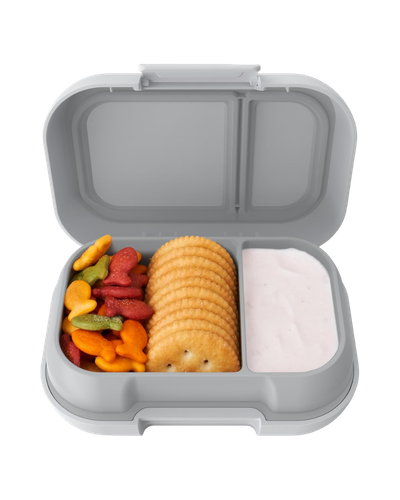
bentgo
Snack Container

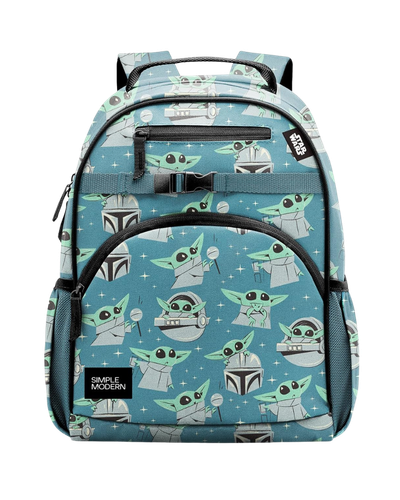
simple modern
Water Bottle with Straw
Check Classroom and School Food Policies
Before packing school lunches and snacks, check with your child’s teacher about classroom allergies and food policies. This is especially important if a child in the class has a severe allergy! Even if your own child can safely eat something like peanut butter, bringing it into a shared classroom or lunch area could put someone else at risk.
I like to confirm with the teacher:
- Whether the classroom (or school) is nut-free
- Whether our child needs to bring a separate daily snack
- What types of snacks are allowed
- Whether lunchboxes and snack containers need to be labeled
- The policy for sending birthday treats
Our school asks parents to send a healthy snack rather than chips or candy, and it must be packed separately from lunch (they don’t want kids eating a snack out of their lunch then not having food left for lunch). Birthday treats need to be small, provide enough for the entire class, and accommodate any classroom allergies—so mini cupcakes may be allowed where full-size cupcakes are not. Every school handles this differently, so it’s always best to ask first.
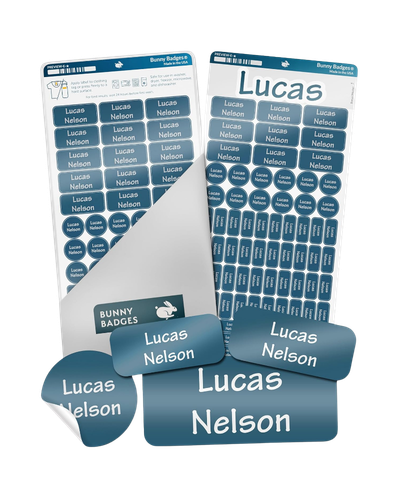
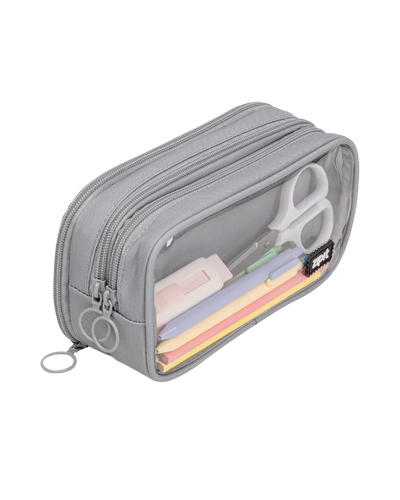
And label everything… lunchboxes, snack bags, backpack, water bottle, reusable containers, pencil pouch, etc… Trust me, you’d be surprised by what can disappear during the school day!
Gather the Practical Back-to-School Essentials
What your child needs will depend on their age, grade, and school supply list, but there are a few practical items that make the school day (and preparing for it) a little easier.
These are some of our most-used back-to-school purchases:
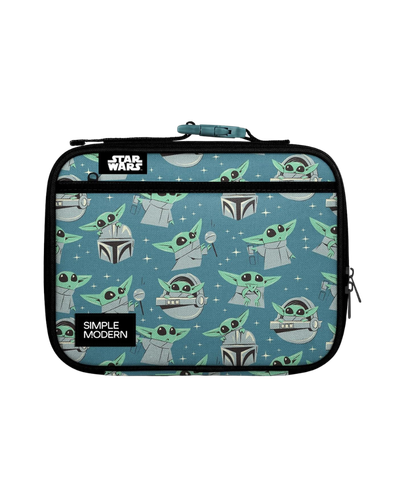
- Backpack and lunchbox: Choose options your child can comfortably carry and open without help, and also excite them.
- Water bottle: A leak-resistant bottle that fits in the backpack’s side pocket is a must.
- Food and snack containers: We use containers like Bento boxes and smaller snack boxes to keep everything organized and easy to eat.
- Name labels: Add these to water bottles, lunchboxes, containers, jackets, headphones, and anything else that may accidentally get left behind.
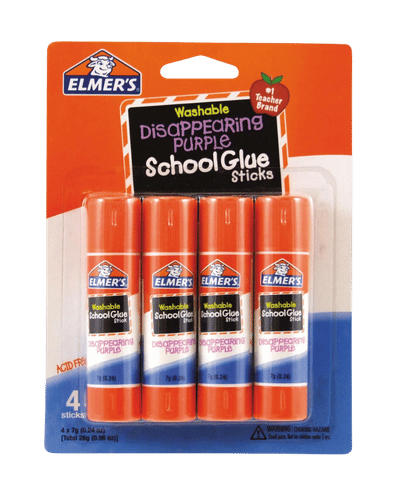
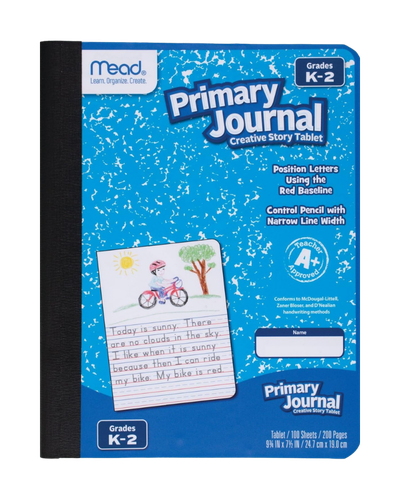
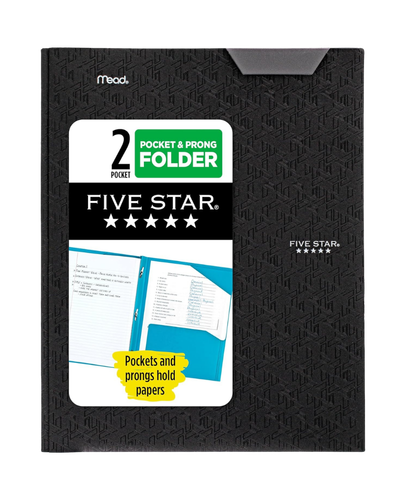
- School supplies: Always check your child’s specific list before shopping because requirements can vary by school and grade.
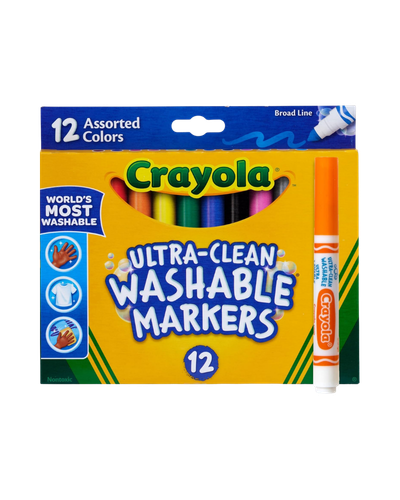
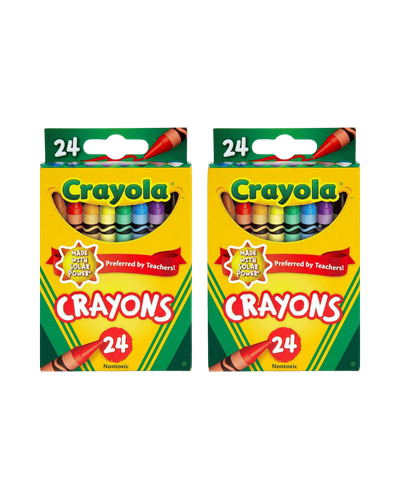
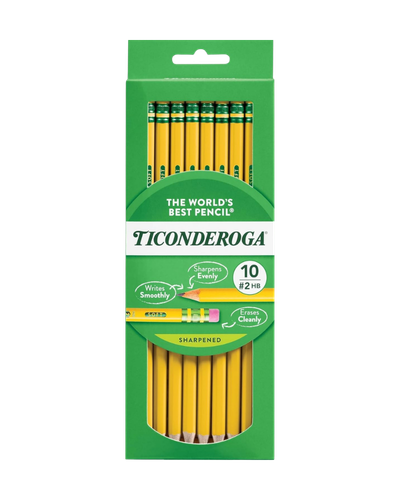
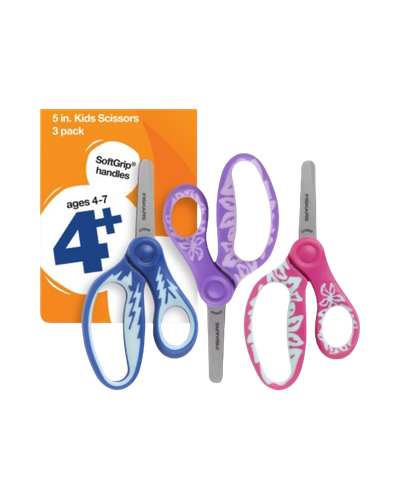
- Homework or art supplies: Keeping a few basics together at home makes it easier to complete assignments or projects without searching for everything or having to buy last minute. (Tip: if you see a 3-pack of scissors, crayons, pencils, etc… get them! That way, you'll have what you need for school and home.)
- Home organization products: A designated place for backpacks, shoes, and school papers helps keep daily clutter under control and helps them stay organized like they're expected to at school.
These are simply the things we purchased based on what Hollis and his school needed this year. I’ll link it all in one place below if you’d like to see everything what we bought, and supplies we stock for our home.

Set Up a Family Calendar for the Entire School Year
As soon as the yearly school calendar becomes available, we add all the important dates to our family calendar. Having everything together in one place makes it much easier to see what’s coming and helps prevent important dates from sneaking up on us.
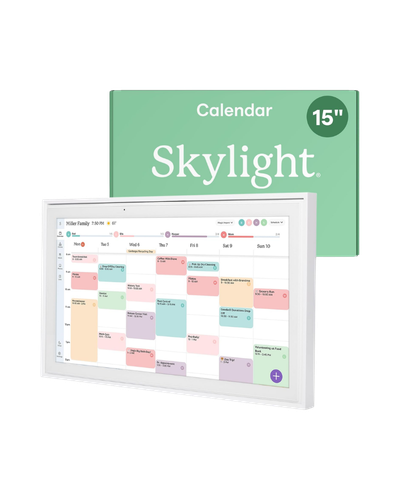
We’ve used the Cozi Family Organizer since 2017 to keep our family schedule in one place. It can also sync with the popular Skylight Calendar, which is a big plus if your family already has one.
Here’s what we add to our family calendar:
- School breaks
- Teacher workdays
- Student holidays and virtual-learning days
- Major holidays
- Fall and spring picture days
- Spirit weeks and spirit nights
- School events
- Extracurricular schedules
- PTO meetings (if that's your thing)
- Medical and dental appointments
- Potential vacation windows
- Travel work days (for the parents who travel)
Planning ahead is especially helpful around Fall break, Thanksgiving, Christmas, Winter break, and Spring break. If we want to travel, we can make those plans before everything begins to feel overwhelming.
Our school calendar is usually available well before Meet the Teacher or Open House. If yours isn’t readily available, just reach out to the school or county and ask. Trust me, you won’t be the only parent looking for it!
original Calendar
Skylight 15-Inch
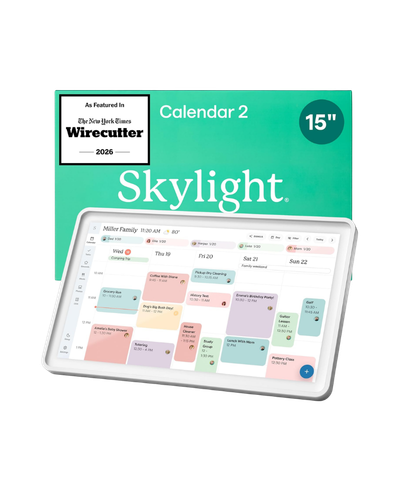
CALENDAR 2
Skylight 15-Inch
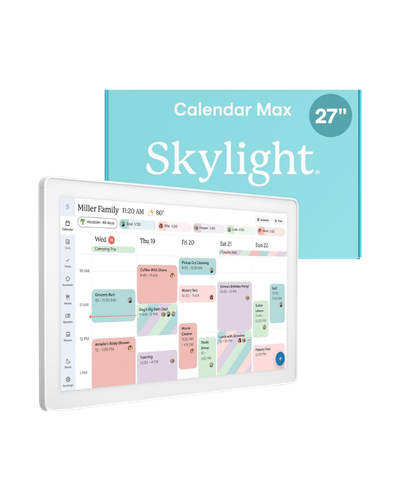
calendar max
Skylight 27-Inch
Reset Your Weekly Home Routines
Once school begins, the everyday parts of home life can quickly start to unravel. Creating a loose weekly rhythm helps us stay on top of things without trying to squeeze everything into one overwhelming Sunday reset.
Here’s some things we try to plan for the week:
- Specific Laundry days
- Grocery shopping or pickup
- Meal planning and lunch prep
- Cleaning and basic household tasks
- Restocking and organizing snacks in the pantry and refrigerator
- Reviewing the calendar for the week ahead
- Preparing clothes or supplies for upcoming activities
This doesn’t mean every task needs a complicated schedule or that you have to complete everything at once. The goal is simply to give certain tasks a regular place in your week when possible. Spreading them out can make the routine feel way more manageable and take some pressure off already-busy school days or work weeks.
Create a Simple After-School Rhythm
Younger children often come home from school tired, hungry, or overstimulated. Having a simple routine they can rely on gives them time to decompress before moving into the rest of the evening.
Our after-school rhythm typically includes:
- Emptying the backpack and lunchbox
- Having a snack and water
- Taking time to play or decompress (screen-free!!)
- Completing any reading or homework
- Preparing lunch and school items for the next day
- Moving into dinner, bath, and bedtime routines
Some kids will tell you every detail of their day the moment they get into the car. Others need a little time before they’re ready to talk (Hollis usually prefers to wait until dinner to share). Every child is different, so try not to take it personally if you’re met with one-word answers at pickup.
Kids need time to decompress just like we do! Giving them that space, along with a familiar after-school rhythm, can help the transition from school to home feel much less overwhelming.
Add Small Traditions That Make School Weeks Feel Fun
Routines help keep the week moving, but small traditions keep it from feeling like everyone is simply rushing from Monday to Friday. They don’t need to be elaborate or involve a special activity every night. Something as simple as a themed dinner can give the family a little moment to look forward to.
Here’s what we’ve done:
- Monday breakfast for dinner
- Taco Tuesday
- Wednesday game night (or family walk)
- Thursday pizza party
- Friday movie night
You could also let your child choose dinner one night each week. Pick one or two traditions that work for your family rather than trying to do them all. The goal is simply to bring a little fun and connection into an otherwise busy school week.
Leave Room for the Transition
The beginning of a new school year can bring excitement, fatigue, big emotions, and even behavior changes—for children and parents. The first few weeks may feel a little messy, so give yourself and your kids plenty of grace.
Your child may need more rest, more connection, or extra time to decompress. You might also realize that a routine you planned isn’t working as well as you expected. Adjust it as you go and keep what genuinely helps your family.
You don’t need to begin the school year with every system perfected (and it never needs to look perfect). A peaceful home rhythm that works for your family matters far more than a picture-perfect schedule or a calendar filled with activities.
That's it, friends! Happy back-to-school season, and good luck! You’ve got this.