Our Experience with Incomplete Kawasaki Disease in a Toddler
I’ve sat down to write this blog more times than I can count, and every single time, I end up staring at the screen trying to figure out where to begin.
Even now, this story still feels emotional to revisit, because honestly… it was traumatic. Not just for me and Hunter, but especially for Hollis. Watching your child go through something scary while nobody can fully explain what’s happening is such a helpless feeling, and I don’t think I fully processed all of it.
But another part of me knows that if I had come across a story like this while we were in the middle of it, it would’ve helped me feel a little less alone. So, I’m sharing our experience in hopes that maybe it helps another parent ask more questions, trust their instincts, or recognize symptoms that don’t always look “textbook.”
Because in our case, that’s exactly why this was almost missed.

The Rash That Didn't Make Sense
This all started with what looked like a weird rash.
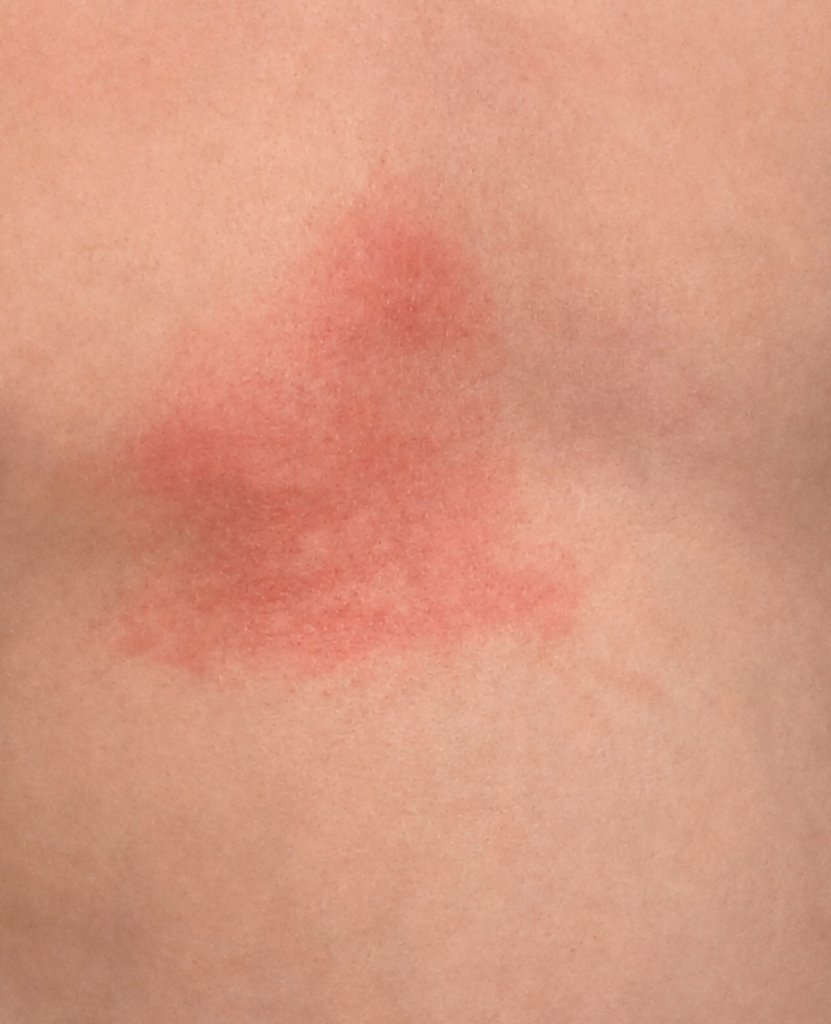
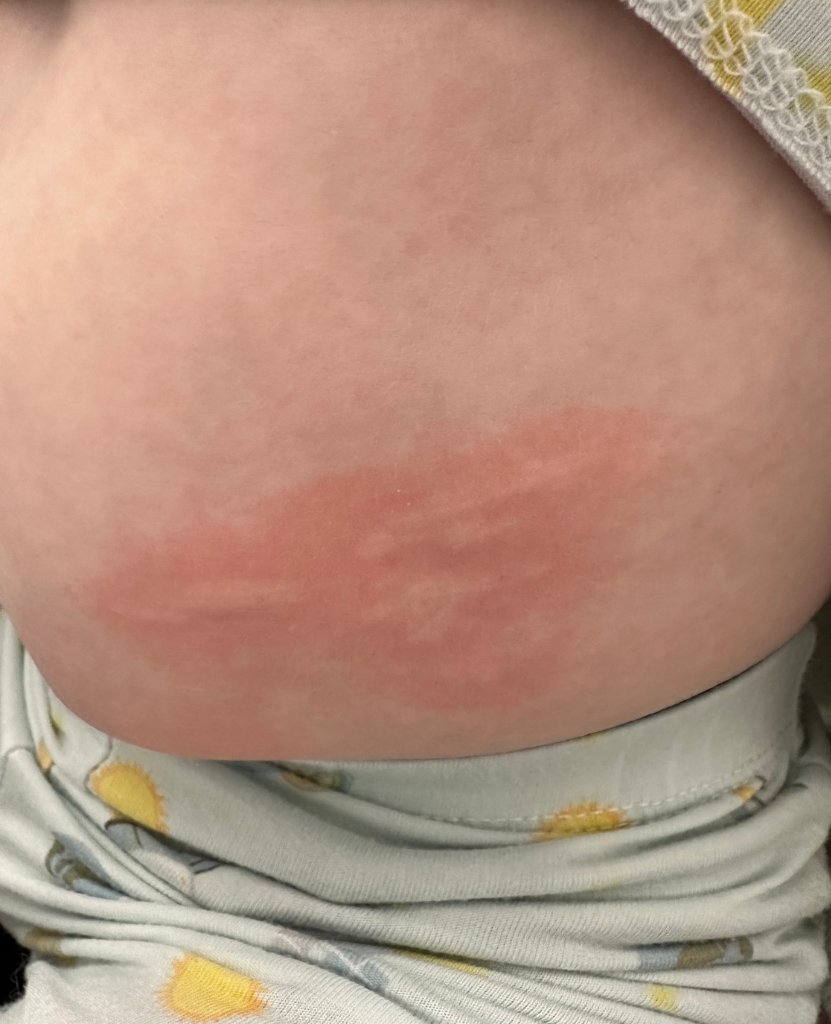
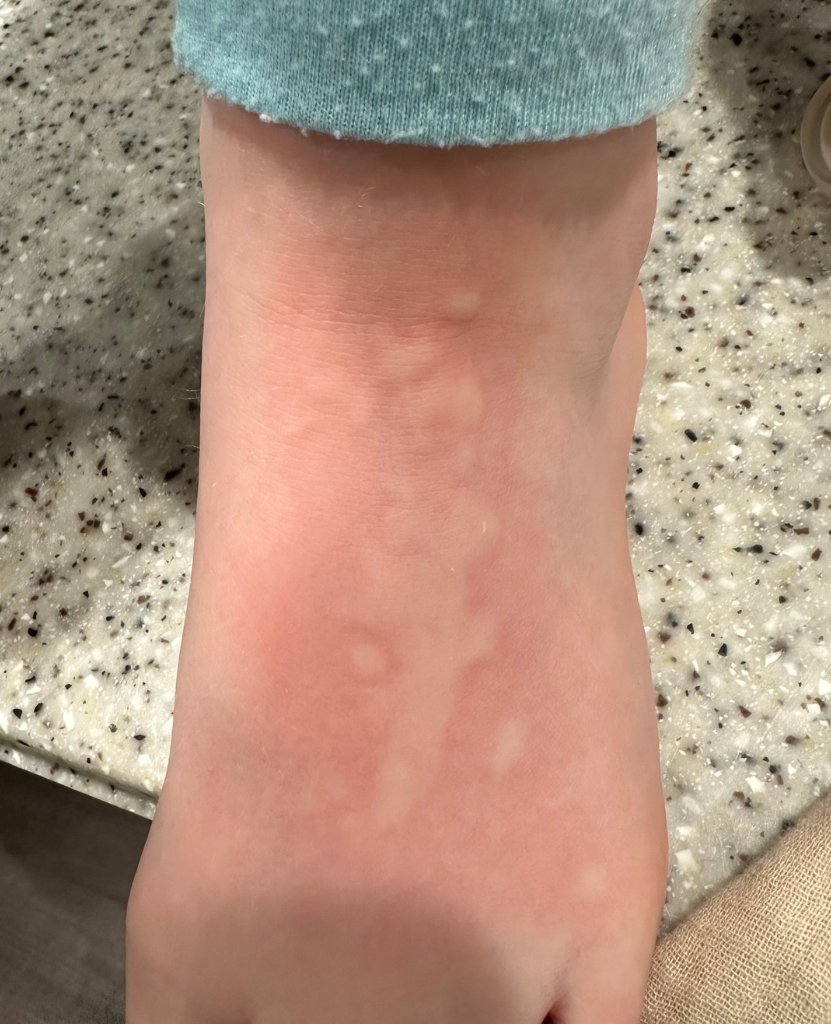
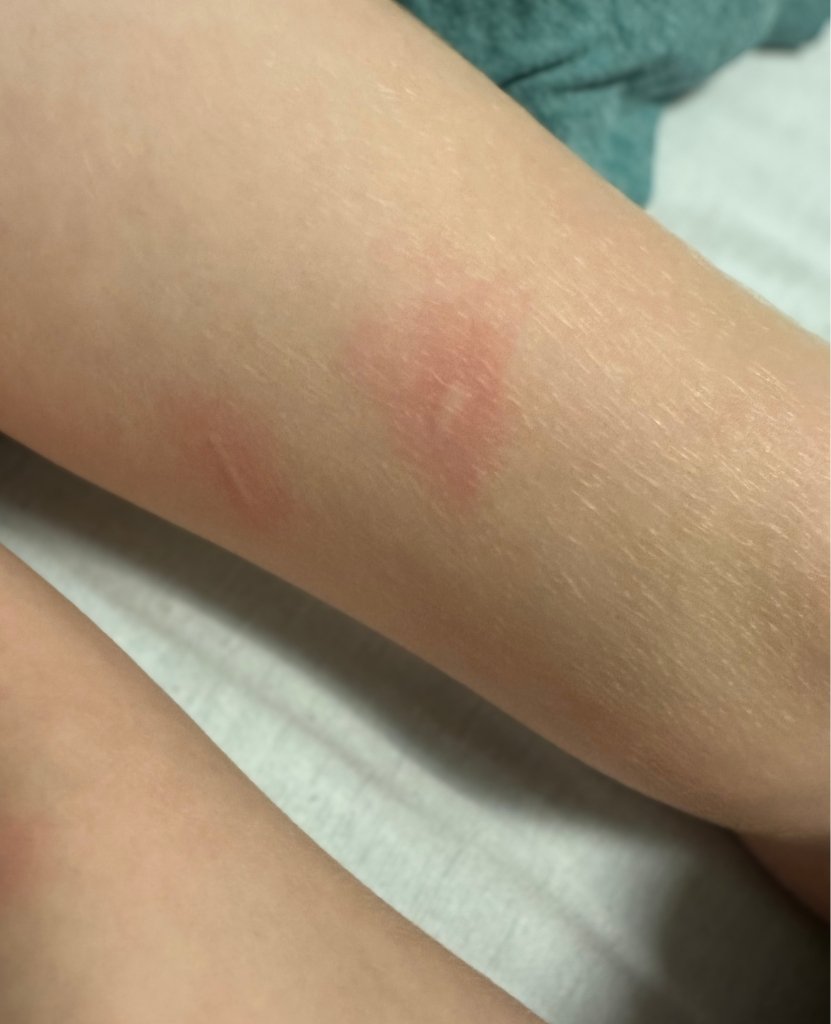
One day, I noticed a red welt-like patch on Hollis’ chest. It almost looked like hives, but not really. The spots were slightly raised, elongated, and honestly just looked… odd. Then a couple days later, more showed up on both sides of his belly (at different times). Then again on one hip and his bottom.
The strangest part was that they wouldn’t stay, and they didn't have a consistent appearance.
They’d appear out of nowhere, stick around for a little while, and then completely disappear. At first, I didn’t panic because he was still acting like himself. Maybe a little more tired than usual, but nothing alarming enough to make me think we were about to enter one of the hardest weeks of our lives.
Looking back now, I realize those were the very first signs that something bigger was happening.


The Night Everything Shifted
A few nights later, Hollis woke up in the middle of the night with night terrors, sweating and shivering at the same time. I remember being so confused because his body felt so hot, but he was complaining about being cold. That same night, he started saying his neck hurt.
At first, I thought maybe he had slept weird or strained it somehow (I told him he probably had a “crick in his neck”), but then came the moment that truly scared me…
He was incredibly hard to wake up that next morning.
He wouldn’t open his eyes, didn’t want to move his body, and just laid there limp and exhausted while we kept trying to get him to respond. It took around 20-30 minutes before he really came to and started acting more alert again. I remember sitting there afterward thinking, something about that did not feel normal. But as the day went on, he still acted like himself… a typical 4 year old.
The next morning, he had a fever of 102.5°F.
We gave him Motrin, and thankfully it came down, but later that evening when the fever started climbing again, the rash came back too. Only this time, it was happening constantly. One patch would show up, stay for maybe 20 or 30 minutes, disappear, and then another would pop up somewhere completely different shortly after.
At this point, Hollis was clearly sick.
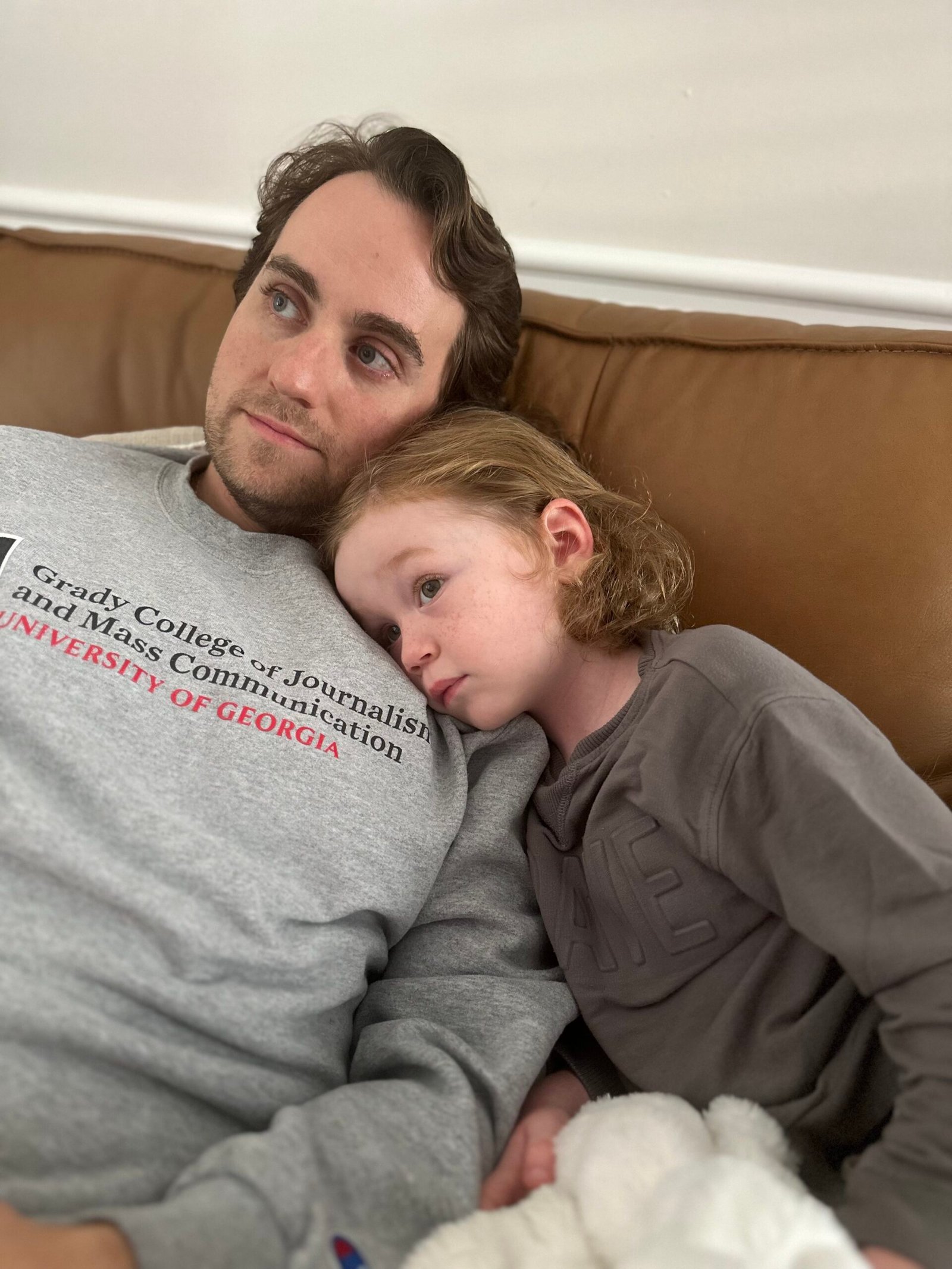
He had no energy, no appetite, and kept telling us his entire body hurt. His head hurt. His legs hurt. Even his face and ears hurt. He just looked miserable, which is incredibly hard to see when your child is normally so energetic and full of life.

The Visit To Our Pediatrician
We brought him to his pediatrician (whom we love) once the fever stayed persistent, and she immediately started running tests—Flu, RSV, COVID, Strep, Hand Foot and Mouth, Ear infection, even a UTI.
Everything came back negative. At that point, we were told it was likely viral and to continue monitoring him at home but to go to the ER if things progress.
But then things started escalating very quickly.


When His Neck and Face Started Swelling
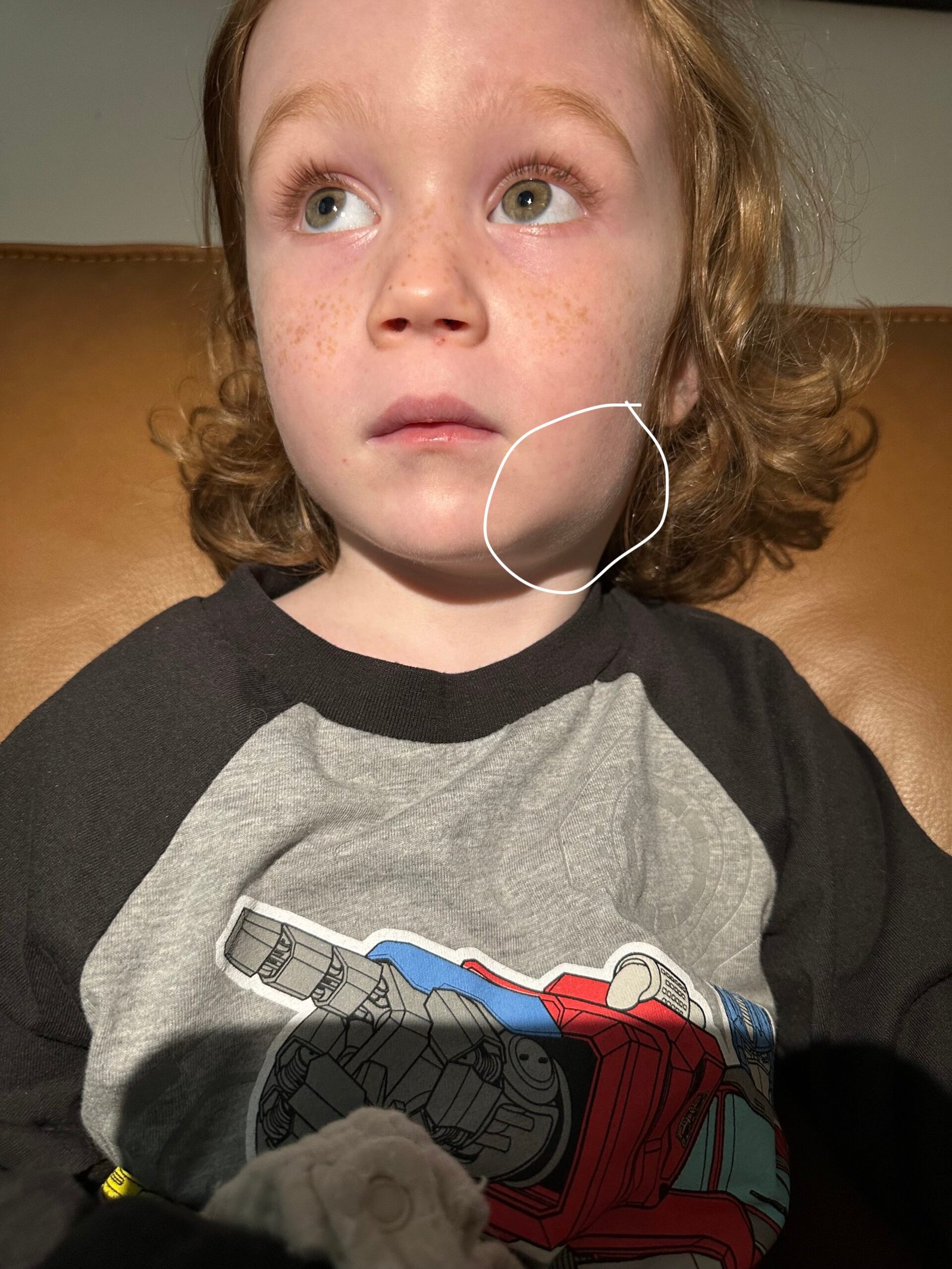
The fever continued climbing higher and higher, eventually reaching 104°F. Then, the swelling started.
The left side of his neck became visibly swollen, much more than the right, and his lymph nodes became incredibly firm to the touch. Not just swollen… hard. His left side of his face and eye also started getting super puffy, and eventually his neck became so painful and stiff that he couldn't move it at all.
At that point, we knew we needed to go to the hospital ASAP. We weren't going to mess around with waiting it out.
This was when things started becoming really scary. Because now we weren’t just dealing with a fever and rash anymore. We were dealing with severe swelling, extreme lethargy, lack of speech, neck pain, headaches, and a child who looked absolutely exhausted.
That first trip to CHOA (Children’s Healthcare of Atlanta) was overwhelming. They ran what felt like a million tests and did an extensive blood panel trying to figure out what was going on. This was the first time doctors started mentioning possibilities of Mono, Kawasaki Disease, lymphadenitis, meningitis, or maybe some kind of bacterial infection. We were terrified it could be meningitis because of the stiff neck and how difficult he had been to wake.
But despite all the testing, nothing gave us a clear answer.
Eventually, we were told they believed it was probably viral and that he might actually be more comfortable recovering at home rather than being admitted. We honestly were conflicted on what to do, but ultimately decided to go home.
And then he got worse… again.
And I want to say this because it’s important to me—at no point did we feel angry with his doctors or nurses. Everyone genuinely cared about Hollis and wanted to help him. The difficult part was simply that nothing about his case made sense yet. And honestly, in the beginning, it didn’t fully make sense to us either.

The Labs That Didn't Add Up
We ended up back at a different CHOA location after his symptoms continued progressing.
This time, they ran another huge blood panel, and I remember sitting there looking through the results trying to understand what I was seeing. His white blood cells showed his body was absolutely fighting something, but what stood out to me most was that his Neutrophils were extremely high while his lymphocytes were very low.
From everything I understood, that didn’t really fit the pattern of a typical viral illness.
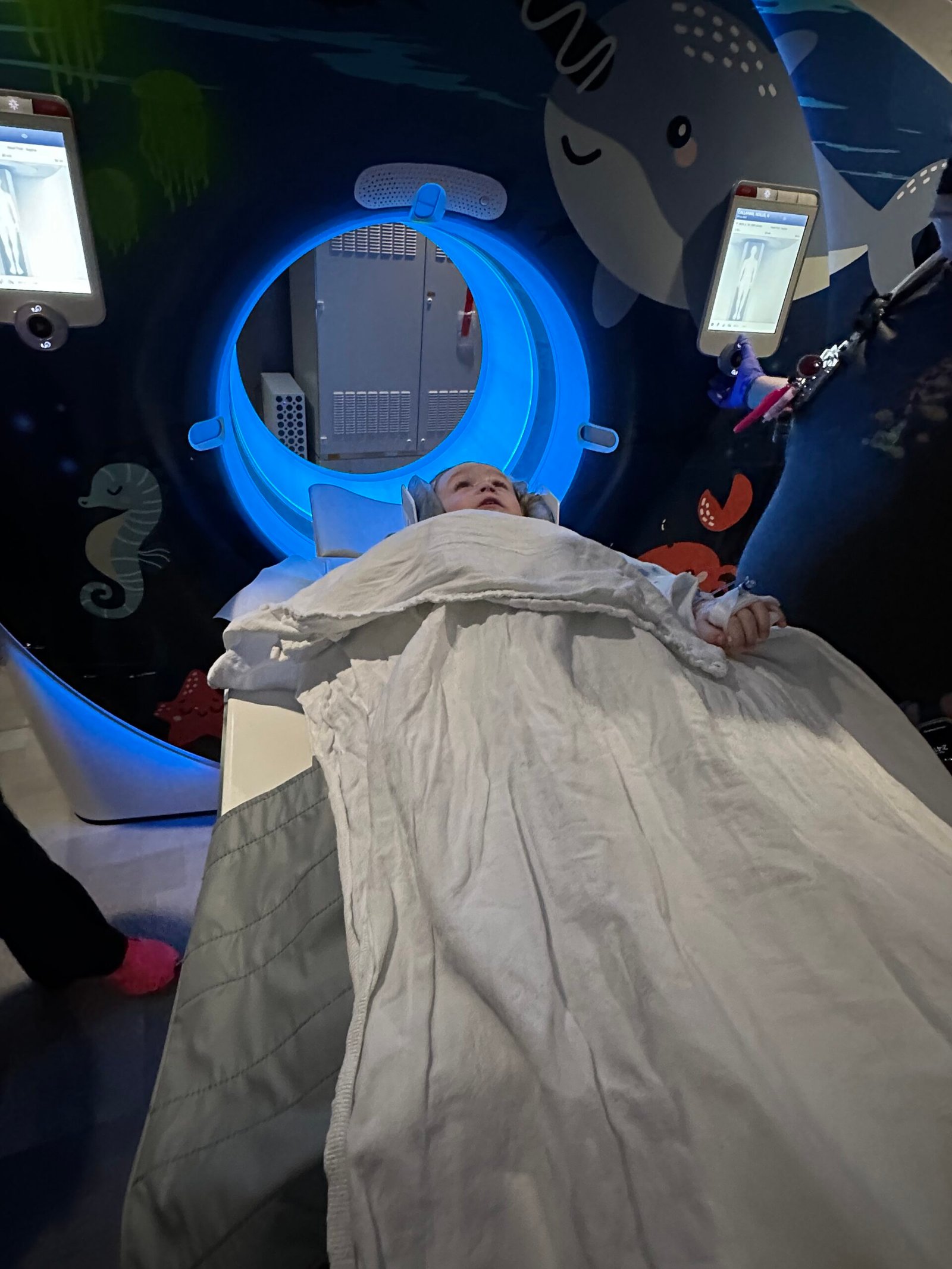
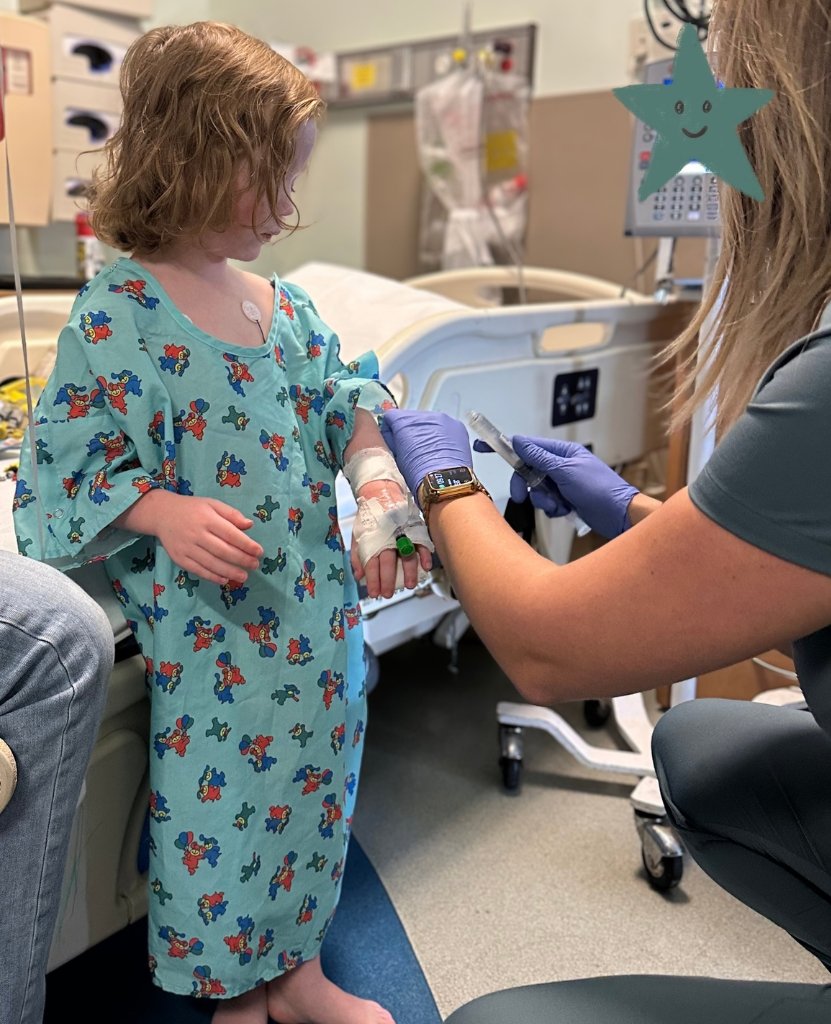
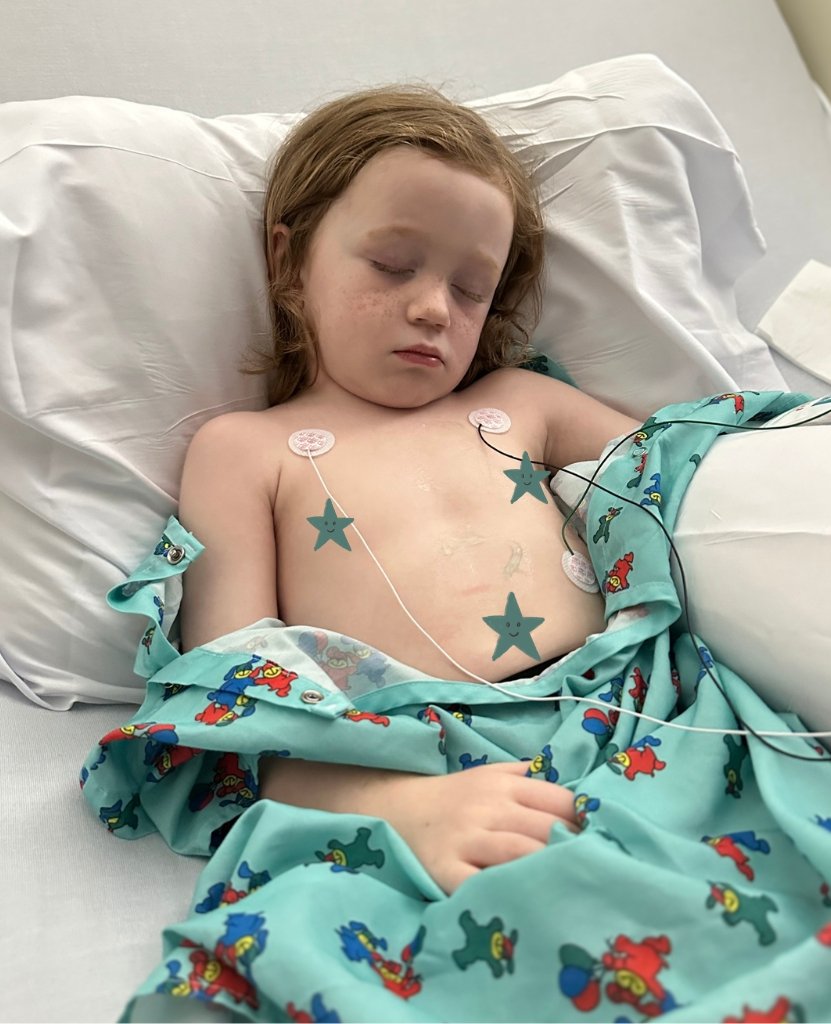
I genuinely started wondering if we were dealing with something bacterial instead. Especially because those lymph nodes in his neck were still so hard and swollen. The doctors started leaning toward lymphadenitis or possibly an abscess, which honestly did make sense based on how severe the swelling looked. So we moved forward with a neck and brain CT scan to rule out an abscess and look for any signs of something more serious.
The CT thankfully came back mostly clear outside of significant inflammation in his lymph nodes. And honestly? That somehow made everything even more confusing.
Because if it wasn’t an abscess… then what was causing all of this?
The Moment We Pushed Back
The conversation started shifting toward sending us home, again… but this time with antibiotics for lymphadenitis.
And Hunter and I both just felt… defeated.
Not because lymphadenitis sounded impossible, but because something still didn’t fully fit. Hollis had now had persistent high fevers for days (only coming down a little and temporarily with Motrin), ongoing rash flare-ups, severe swelling, elevated inflammation markers, and symptoms that just kept evolving.
The mention of Kawasaki Disease from this first CHOA location kept sitting in the back of my mind. The difficult part was that he didn’t fully fit the classic criteria.
He didn’t have the typical red eyes or strawberry tongue that people often associate with Kawasaki, which made it easier to overlook. But there’s something called Incomplete Kawasaki Disease, where children don’t present with every classic symptom, and that’s what I couldn’t stop thinking about.
So, we pushed harder to rule it out before agreeing to discharge.
The doctors pushed back at first, mostly because he didn’t fully meet the textbook presentation, but ultimately agreed to test for it more thoroughly “to give us peace of mind.” Except it wasn’t peace of mind.
It was the diagnosis.

The Diagnosis We Almost Missed
Incomplete Kawasaki Disease.
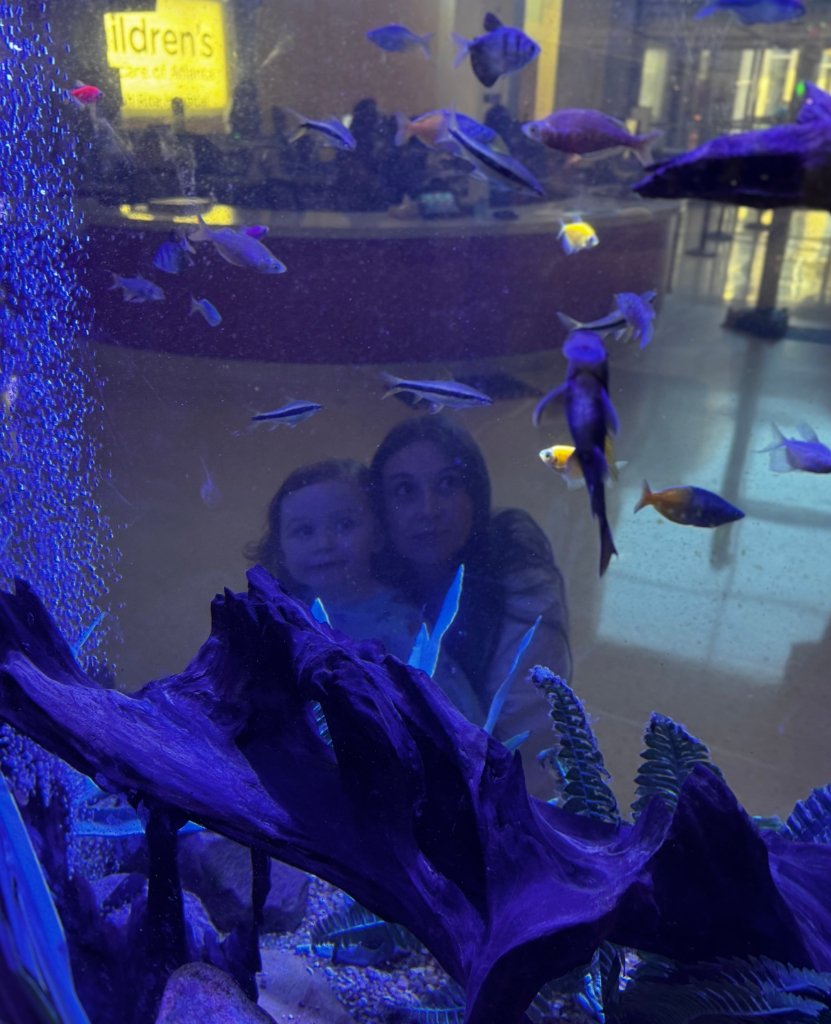
I don’t even know how to explain what that moment felt like. There was relief in finally having an answer, but also this overwhelming realization that had we gone home, things could have looked very different for Hollis long-term.
One of the doctors later pulled Hunter and I aside and thanked us (!!) for continuing to advocate and ask questions. They even joked that I needed to go to medical school because I had spent so much time studying his labs and asking questions that ultimately pushed everyone to keep looking deeper.
But honestly, I wasn’t trying to “play doctor.” I was just a mom who knew something wasn’t right with her kid. And I’m so thankful we listened to that feeling.


A Week in the Hospital
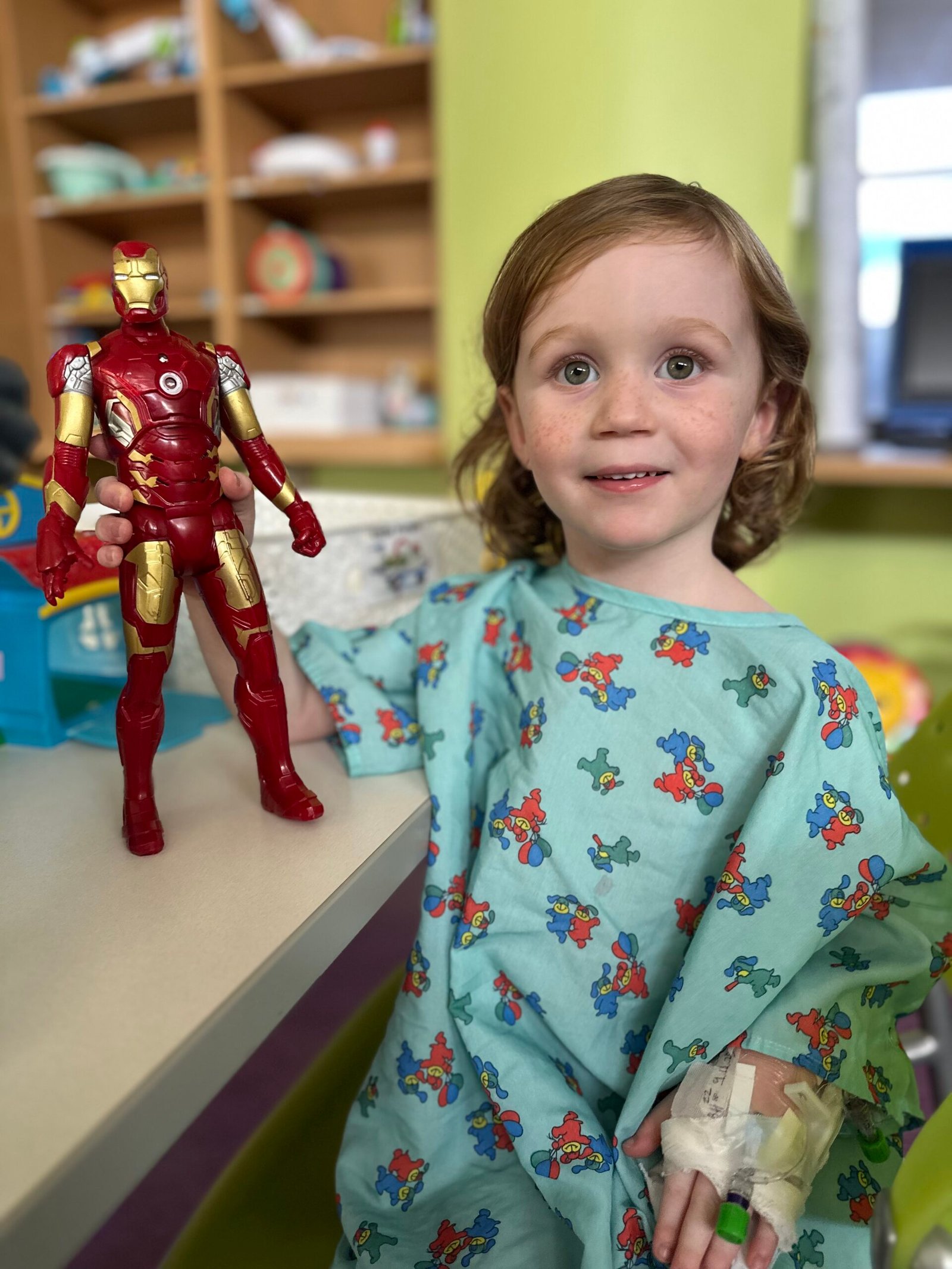
Once we officially had the diagnosis, everything moved fast. Hollis immediately started an IVIG infusion to reduce the inflammation and protect his heart and coronary arteries. He also had to start high-dose aspirin therapy and remain hospitalized for monitoring. We ended up spending an entire week in the hospital.
Gosh… I truly don’t think anything prepares you for watching your child go through that.
He was being poked constantly, woken up throughout the night for vitals and labs, and he just wanted to go home. He missed his room, his bed, his toys, his teachers, his friends… and especially his school. And if you know Hollis personally, then you know how much he absolutely loves school. Being away from it was honestly one of the hardest parts for him, emotionally.
Hunter and I were exhausted too. We were running on very little sleep and carrying this constant weight of fear and uncertainty while trying to stay strong for him at the same time.
Thankfully, the IVIG worked, and our little guy was finally starting to act like himself again. Thank you, Jesus!
His fever never returned, which meant he wasn’t considered IVIG-resistant, and that was such an incredible answer to our prayers.
Recovery Wasn't as Straightforward as We Expected
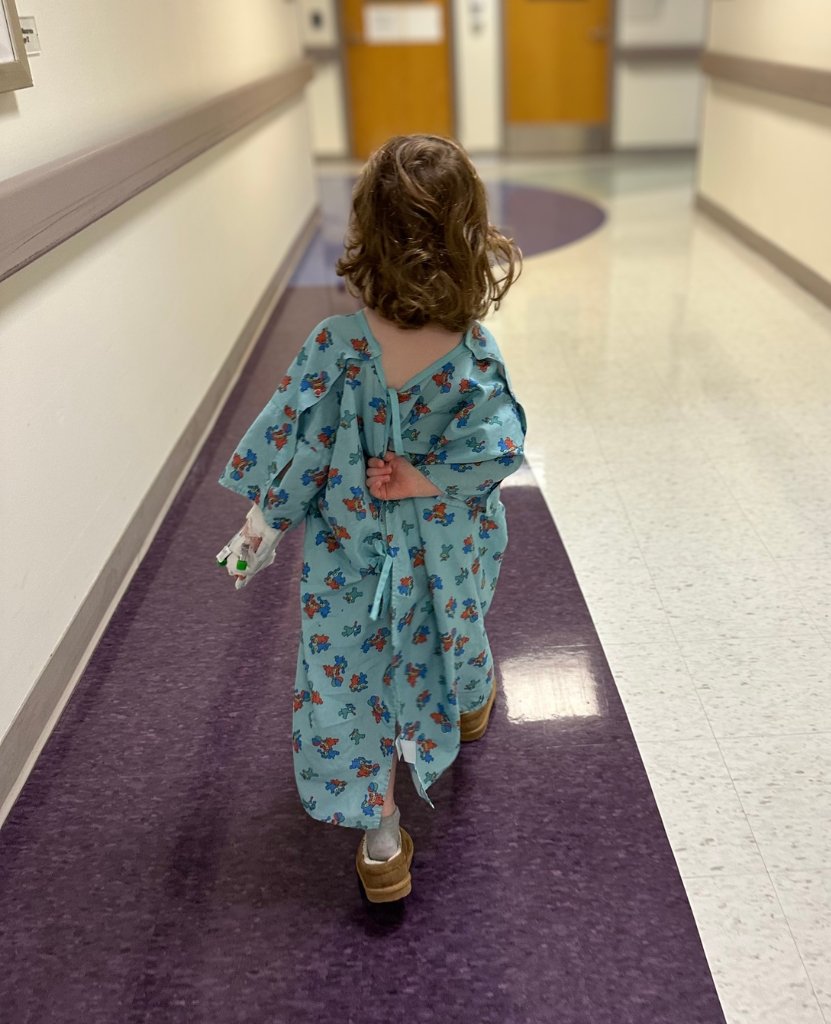
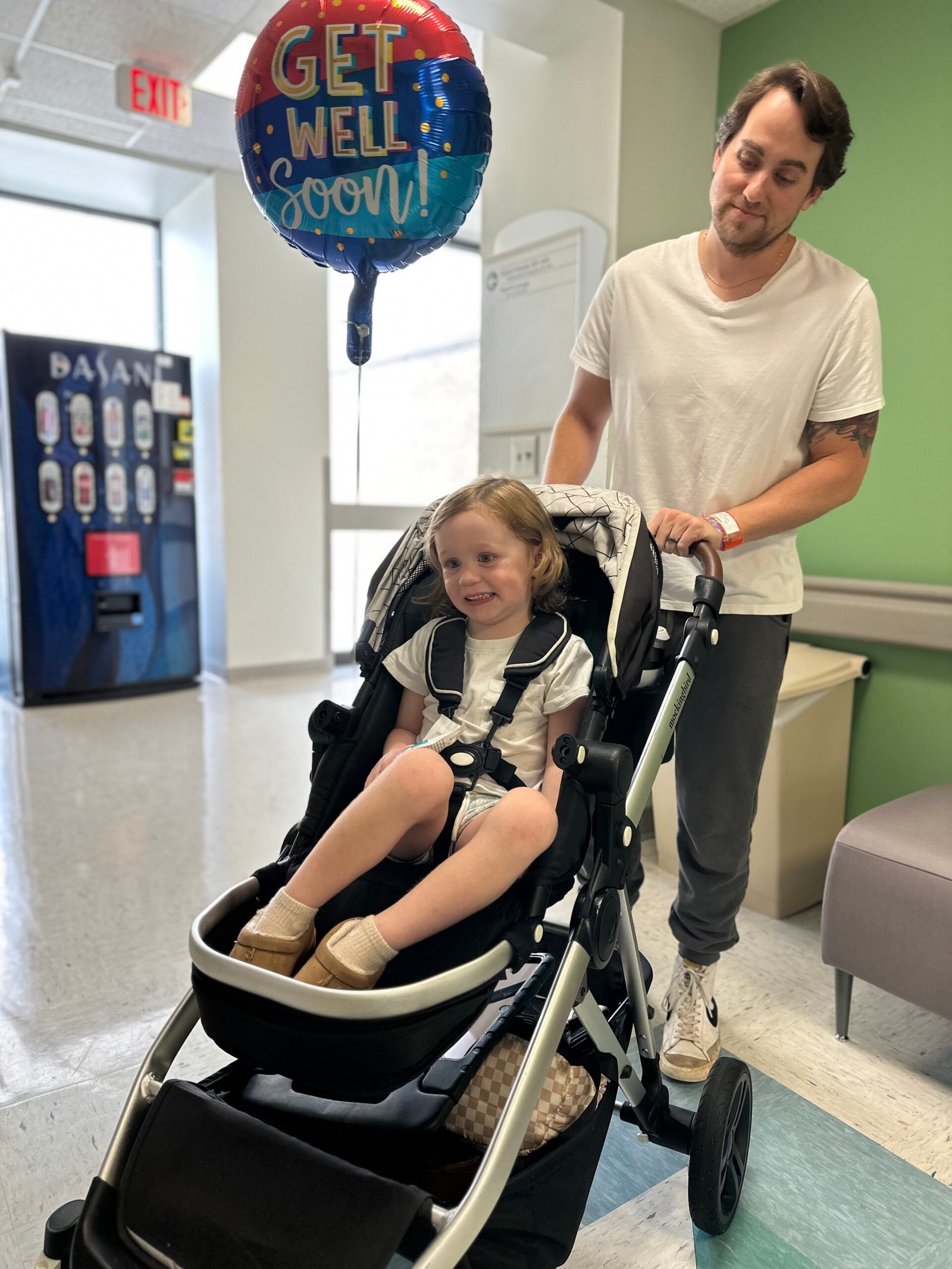
Once we were discharged, we still had a long road ahead of us.
Since he was on aspirin therapy, we had to be extremely careful about exposure to illnesses like flu and chickenpox due to the risk of Reye’s Syndrome (our Pharmacist made sure we fully understood the risk here). His pediatrician and cardiologist ultimately decided it was best to keep him out of pre-K for several weeks while we waited for repeat imaging and EKGs to confirm he was in the clear.
Those next few weeks at home were slow and much needed.
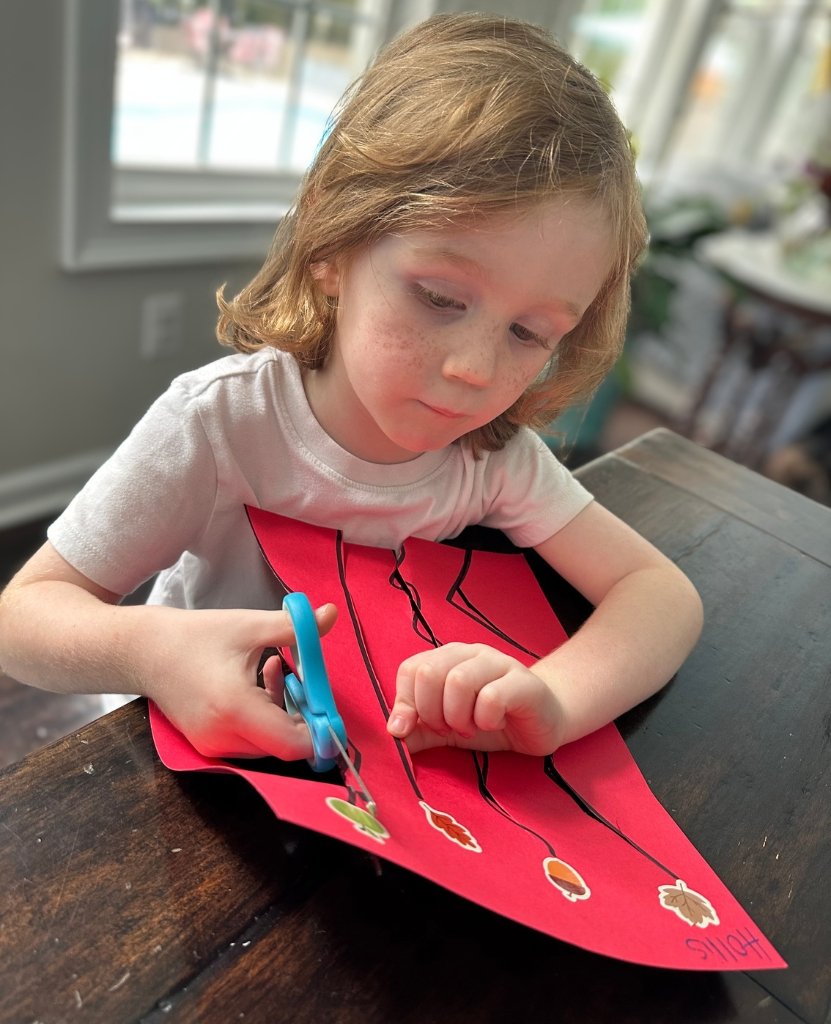
After everything we had just been through, it was such a relief to finally be home together again. We spent our days going to follow-up appointments, working on school work his teachers sent home, watching movies, playing, and building lots of LEGOs together while we tried to settle back into some version of normal life again.
I think one of the hardest parts for Hollis was being away from other kids. He missed school so much, missed his routine, and missed his friends. One day, his best friend came over to visit him, and I don’t even know if I can fully explain how much that meant to him. Seeing that smile again after weeks of being down and isolated was the best gift.
Eventually, he was fully cleared by cardiology, and we were so incredibly thankful. When he finally got to go back to school, he was absolutely over the MOON.
But… after a couple of weeks back, we noticed something wasn’t right (again).
When Something Just Felt Off
He became extremely fatigued.
And not just “a little tired,” but constantly telling us how exhausted he felt. He lost his appetite again, had pop-up rashes again, and started complaining about severe pain in his upper thighs and legs—to the point where he sometimes didn’t even want to walk. And if you know Hollis, you know how unlike him that is.
He is usually nonstop movement, nonstop energy, nonstop talking.
So we went back to his pediatrician and asked to run another blood panel along with inflammation markers, muscle-related labs, and vitamin and iron levels just to make sure we weren’t missing anything else. After examining him and seeing how much pain he was in, his pediatrician agreed we needed to investigate further and rule out Myositis (a post-complication of Kawasaki Disease). And surprisingly, that’s when we found out he had Mono, and that he likely got it after going back to school.
Honestly, hearing that felt like relief! Mono we can deal with.
After everything we had just gone through, having an explanation for the lingering fatigue and body pain felt like we could finally exhale a little, and that it wasn't anything serious again.
What This Experience Taught Me
This experience changed me in a lot of ways.
It taught me how important it is to advocate for your child, even when you feel intimidated or unsure. It taught me that not every illness looks textbook, and that incomplete presentations can absolutely still be serious. It also taught me to ALWAYS take photos when you feel like something is off, just so you can have some form of documentation.
But more than anything, it reminded me just how important community is.
This season was incredibly hard on all of us. Watching your child go through something scary while feeling completely helpless is a kind of exhaustion I don’t really know how to describe until you’ve lived it. Hunter and I were running on very little sleep, emotionally and mentally drained, and just trying to keep it together for Hollis while we navigated constant uncertainty and fear.
But the amount of love we felt during that week is something I’ll never forget.

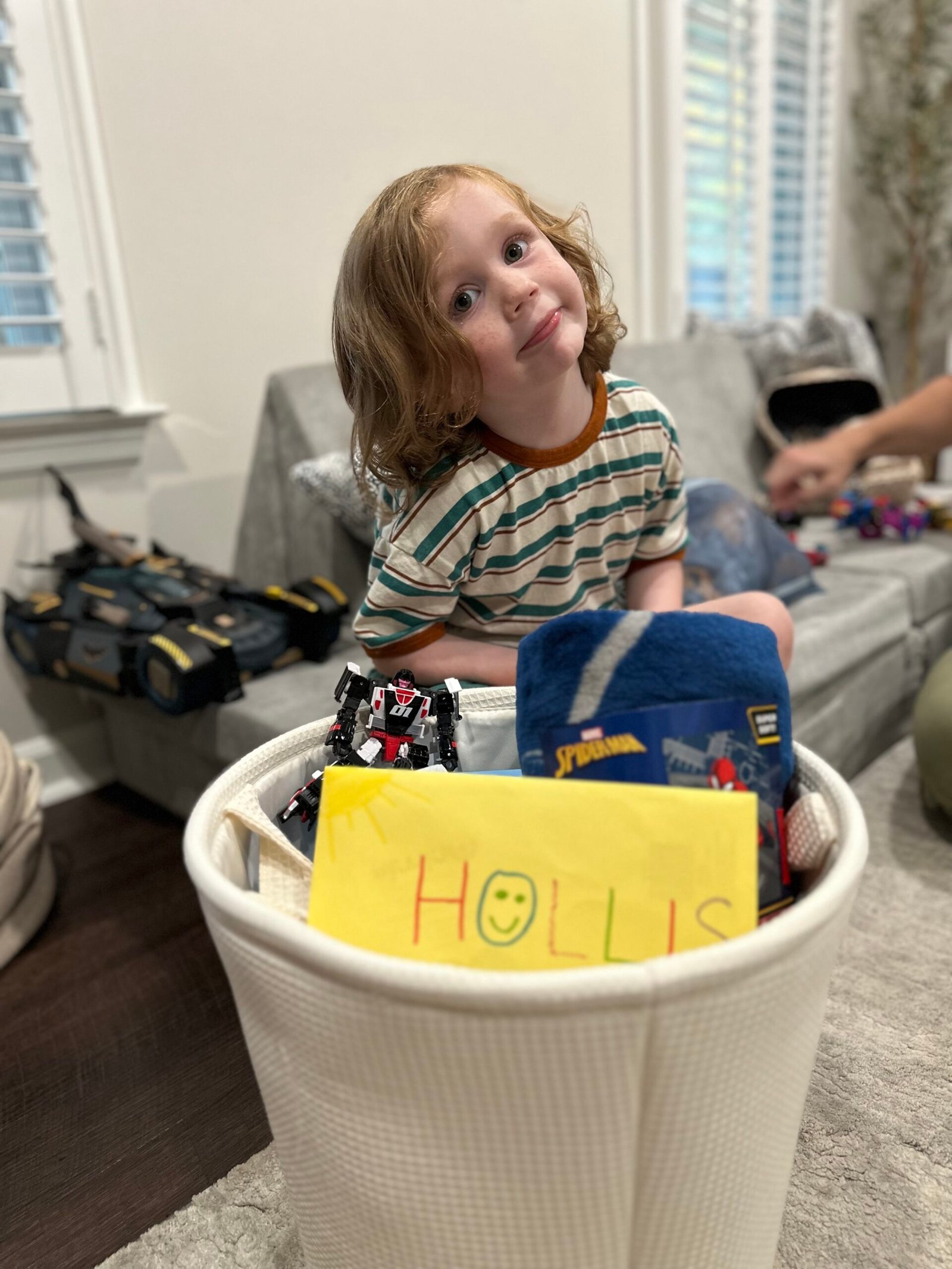
We had family and friends constantly checking in on us, bringing us clothes and toiletries to the hospital when we didn’t have the capacity to think about them, offering to bring meals, sitting with us in his hospital room, and helping lift our spirits during one of the hardest weeks we’ve had as parents.
And then there were Hollis’ teachers and classmates (literal angels on Earth!!).
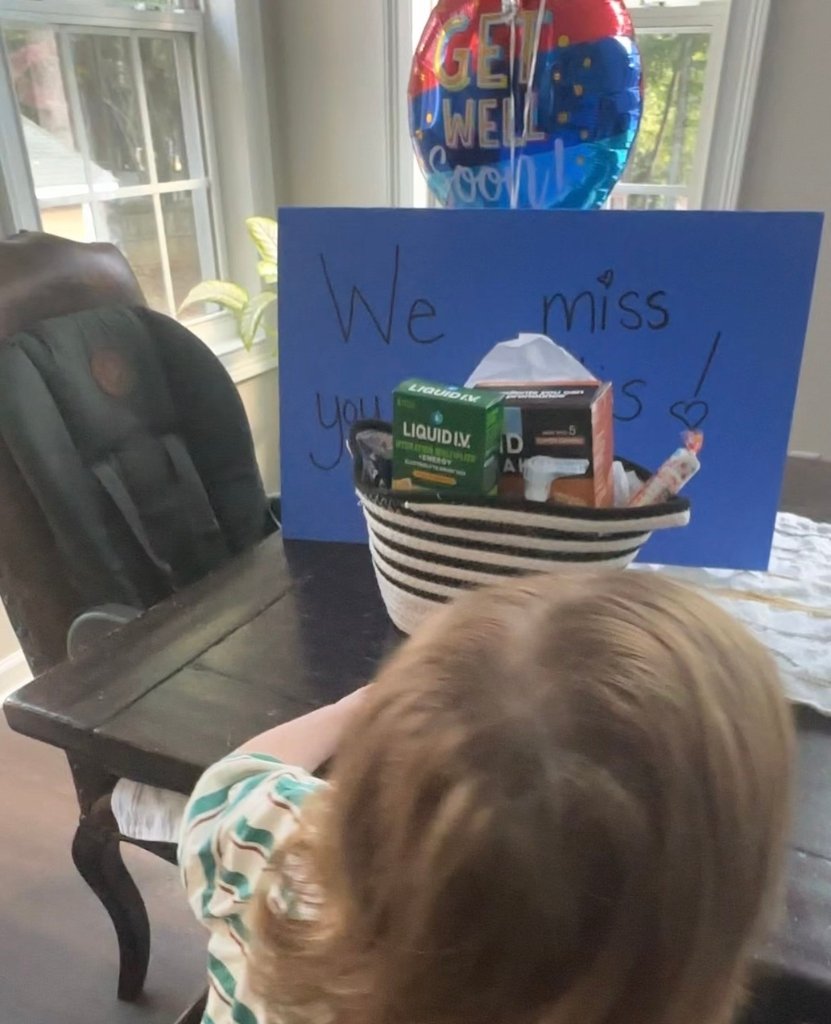
They brought him the sweetest get well basket, along with a huge card signed by all of his classmates—I genuinely don’t think they realize how much that meant to us. Hollis missed school so much while we were there, and seeing how loved he was by the people in his little world brought so much comfort during such a scary time.
I think when you go through something like this, seeing people show up for you really opens your eyes. And we are so incredibly grateful for the people who showed up for us.
This experience also reminded me that parents know their children better than anyone. You don’t need a medical degree to recognize when something feels wrong. And sometimes, continuing to ask questions—kindly, respectfully, persistently—can make all the difference.
Because not every child fits the “textbook” description. Hollis certainly didn’t.
And had we not continued pushing for answers, his story could have looked very, very different.
If you're new to ItsHannahCallahan, you can read more about me here—and come say hi over on Instagram.